The Five Pillars of Islam: A Complete Beginner's Guide
A clear and accessible guide to the five foundations of Islamic practice: Shahada, Salah, Zakat, Sawm and Hajj. Learn the meaning and significance of each pillar.
ISLAMCINQUE PILASTRI
Islam NowKids
4/16/20262 min read
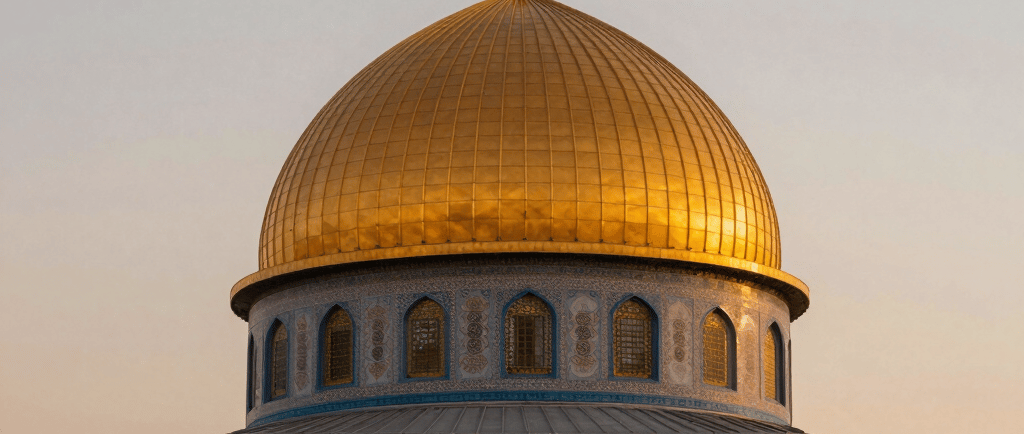
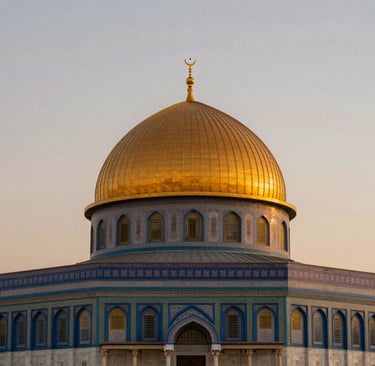
What Are the Five Pillars of Islam?
Islam rests on five fundamental acts of worship known as the Five Pillars. They form the foundation of every Muslim's faith and practice. Each believer is called to fulfil these obligations as an expression of submission to Allah (God). This guide explains each pillar in a clear and straightforward way.
1. Shahada: The Declaration of Faith
The Shahada is the first and most important pillar. It means testifying that there is no deity worthy of worship except Allah and that Muhammad is His Messenger. Saying this testimony with sincerity marks a person's entry into Islam. It is not merely a verbal formula but a deep commitment that shapes every aspect of the believer's life.
2. Salah: The Five Daily Prayers
Salah refers to the five obligatory prayers performed each day at set times: Fajr (dawn), Dhuhr (midday), Asr (afternoon), Maghrib (sunset) and Isha (night). Prayer serves as a direct connection with Allah and provides spiritual nourishment, discipline and peace of mind. Before praying, Muslims perform Wudu (ritual ablution), symbolising purification of body and spirit.
3. Zakat: The Obligatory Charitable Contribution
Zakat is the duty to give a fixed portion of one's wealth to those in need. It is typically set at 2.5 percent of savings held for one lunar year. This act purifies wealth, reduces inequality and strengthens the community. Zakat is not optional charity; it is a right that the poor hold over the wealth of those who have more.
4. Sawm: Fasting During Ramadan
Sawm means abstaining from food, drink and other physical needs from dawn to sunset during the sacred month of Ramadan, the ninth month of the Islamic lunar calendar. Fasting cultivates self-discipline, gratitude and empathy for those less fortunate. Ramadan is also the month in which the Quran was first revealed, making it a time of intense devotion, prayer and generosity.
5. Hajj: The Pilgrimage to Makkah
Hajj is the annual pilgrimage to the holy city of Makkah in Saudi Arabia, obligatory at least once in a lifetime for every Muslim who is physically and financially able. It takes place during the month of Dhul Hijjah and includes rituals such as the circumambulation of the Kaaba and standing on the plain of Arafat. Hajj brings together millions of believers from around the world, all equal before their Creator.
Why Do the Five Pillars Matter?
The Five Pillars give structure, meaning and direction to a Muslim's life. Through the Shahada one declares faith. Through Salah one keeps the daily spiritual bond alive. Through Zakat one shares blessings. Through Sawm one builds inner strength. And through Hajj one experiences the unity of the global Muslim community.
Conclusion
Understanding the Five Pillars of Islam is essential for anyone wishing to learn about this faith. They show how Islam integrates individual spiritual growth with responsibility towards others. Whether you are a Muslim seeking deeper practice or someone curious about Islamic teachings, the Five Pillars offer a clear picture of what it means to live a life guided by faith, purpose and devotion.
Islam NowKids
Libri islamici per bambini che ispirano fede e conoscenza.
CONTATTI
Newsletter
+44 7307 585055
© 2026. Tutti i diritti riservati.